
After days in the high Himalaya, Nepal’s southern plains feel like another country. Warm air, tall grasslands, and slow rivers replace ice and altitude, and the wildlife is just as impressive as the mountains. The Chitwan Jungle Safari is one of the best wildlife experiences in South Asia, offering a realistic chance to see one-horned rhinoceros, Bengal tigers, gharial crocodiles, and hundreds of bird species. It suits families, couples, solo travelers, and anyone who wants to combine trekking with a completely different side of Nepal.
Overview of Chitwan National Park
Chitwan National Park lies in the Terai lowlands of south-central Nepal, about 150 kilometers southwest of Kathmandu. Established in 1973 and declared a UNESCO World Heritage Site in 1984, it covers roughly 950 square kilometers of sal forest, riverine woodland, and open grassland, with the Rapti, Reu, and Narayani rivers shaping the landscape.
The park is one of the last refuges of the greater one-horned rhinoceros, and its conservation success has been widely recognized. Rhino numbers have recovered significantly since the mid-twentieth century, and tiger numbers have also increased thanks to anti-poaching efforts and habitat protection. The park is home to more than 50 mammal species and over 500 bird species, along with reptiles, amphibians, and butterflies.
Most visitors base themselves in Sauraha, the lively village on the park’s northern edge, though quieter options exist in Meghauli, Kasara, and the western sections. Typical stays last two to four nights, which allows enough time for several safari activities without feeling rushed.
Why Choose a Chitwan Jungle Safari?
Close wildlife encounters. Chitwan offers a strong chance of seeing rhinos, deer, wild boar, monkeys, and crocodiles. Tiger sightings are rarer, but leopards, sloth bears, and elephants also live here, so every outing has potential for something special.
Variety of safari styles. You can explore by jeep, canoe, on foot, or by bicycle, each offering a different perspective on the jungle.
Birdwatching paradise. Peacocks, hornbills, kingfishers, storks, and migratory species make Chitwan a favorite of birders, especially in winter.
Cultural experiences. The indigenous Tharu people have lived beside the forest for centuries. Cultural programs, village walks, and homestays introduce their music, dance, cuisine, and traditional mud-and-thatch houses.
Easy access and flexible budgets. Chitwan is reachable by road or a short flight from Kathmandu or Pokhara, and lodging ranges from simple guesthouses to luxury jungle resorts.
Main Safari Activities
Jeep safari. The most popular option, a jeep safari takes you deep into the park along forest tracks and open grasslands. It covers more ground than walking, which improves your chances of spotting rhinos, deer, and possibly tigers. Sessions usually run for three to five hours, either in the morning or the afternoon.
Canoe ride. Dugout canoes glide along the Rapti River, giving a quiet, low-angle view of the riverbanks. You may see marsh mugger crocodiles basking on the shore, along with kingfishers, egrets, and other water birds. Early morning rides are especially atmospheric, with mist rising from the water.
Jungle walk. Guided walks through the buffer zone or community forest are among the most immersive experiences. Trained naturalists explain animal tracks, plants, and behavior. Walking is quiet and slow, and the guides carry sticks and follow strict safety procedures. Always follow their instructions, especially if a rhino or other large animal appears.
Bird watching. Early morning and late afternoon are the best times. Binoculars and a field guide help, and many lodges offer specialist guides.
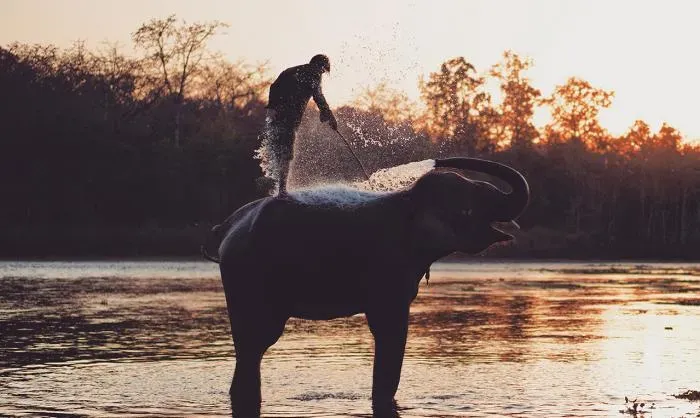
Elephant-related activities. Elephant rides were once a Chitwan staple, but animal welfare concerns have changed attitudes, and many travelers now choose ethical alternatives. Some visitors instead observe elephants from a distance or visit conservation-focused programs. If you are considering any elephant activity, research the operator carefully and prioritize animal welfare.
Tharu cultural program. In the evening, local groups perform traditional stick dances and songs, giving insight into Tharu heritage. Choose community-run programs where possible so the income stays in the village.
Visit to the Gharial Breeding Center. Conservation projects raise endangered gharial crocodiles and release them into the wild. Visits are usually combined with a short river trip and offer educational value.
Sample 3-Night Itinerary
Day 1: Arrival in Sauraha. Travel from Kathmandu or Pokhara by tourist bus, private vehicle, or short flight to Bharatpur. After check-in and lunch, take a short village walk and enjoy a Tharu cultural show in the evening.
Day 2: Full day of safari. Start with a morning canoe ride and a guided jungle walk. After lunch, join a jeep safari into the national park. Return to the lodge for dinner and a briefing about the next day.
Day 3: Birdwatching, conservation, and relaxation. Rise early for birdwatching, then visit the Gharial Breeding Center. The afternoon can be used for a cooking class, a visit to a community forest, or simply relaxing by the river.
Day 4: Departure. After breakfast, transfer back to Kathmandu, Pokhara, or onward to Lumbini or another destination.
This plan can be shortened to two nights or extended to five if you want to add more activities or explore the western side of the park.
Best Time to Visit
Chitwan has a subtropical climate, so timing matters.
-
Autumn (October to November): Pleasant temperatures, clear skies, and green landscapes after the monsoon. It is a popular time, so book ahead.
-
Winter (December to February): Cool mornings, sometimes foggy, but excellent for wildlife and birdwatching. Days are usually comfortable, and nights can be chilly.
-
Spring (March to May): Warm to hot weather. Grass cutting in the buffer zone during early spring opens up visibility, which can improve wildlife sightings.
-
Monsoon (June to September): Hot, humid, and rainy, with high grass and some closed roads. It is the least popular season, but the landscape is lush and prices are lower.
For most travelers, October to March offers the best balance of comfort and wildlife viewing.
Permits, Fees, and Regulations
Entry to Chitwan National Park requires an official ticket, which is usually included in package tours or arranged by your lodge. Guided visits are mandatory for jungle walks and most other activities within the park boundaries. Fees, opening times, and rules can change, so confirm the current details with your lodge, the park office, or a licensed operator.
Follow all park rules: maintain a safe distance from animals, avoid loud noise, do not litter, and never leave your group. Regulations exist to protect both visitors and wildlife.
Accommodation and Food
Sauraha offers a wide range of lodging, from budget guesthouses to comfortable mid-range hotels and upscale jungle resorts with pools and private cottages. Some lodges emphasize eco-friendly practices, using solar power, recycling, and locally sourced food. Homestays in Tharu villages give a more authentic cultural experience.
Meals typically include Nepali dishes such as dal bhat, curries, and momos, along with Western options in tourist areas. Tharu specialties, such as dhikri, ghonghi (freshwater snails), and locally grown rice dishes, are worth trying. Vegetarian choices are widely available. Drink bottled or purified water and use a refillable bottle when possible.
What to Pack
-
Lightweight, neutral-colored clothing that blends with the environment, such as green, khaki, or brown
-
Long sleeves and trousers for protection from insects and sun
-
Comfortable walking shoes or light boots
-
Hat, sunglasses, and high-SPF sunscreen
-
Insect repellent
-
Binoculars and a camera with a zoom lens
-
Light rain jacket during the monsoon, and a warm layer in winter
-
Refillable water bottle and a small daypack
Avoid bright colors and strong perfumes, which can disturb wildlife.
Tips for a Better Safari
-
Go early. Animals are most active at dawn and late afternoon.
-
Stay quiet. Loud voices and sudden movements scare wildlife.
-
Follow your guide. Naturalists know animal behavior and can keep you safe.
-
Be patient. Wildlife sightings are never guaranteed, and waiting is part of the experience.
-
Book more than one activity. Combining jeep, canoe, and walking improves your odds.
-
Choose responsible operators. Look for lodges that support local communities and follow ethical wildlife practices.
Responsible Wildlife Tourism
Chitwan’s success depends on balancing tourism with conservation. Choose operators that respect park rules, avoid feeding or touching wildlife, and treat animals humanely. Support community-run initiatives, buy local crafts, and pay guides and staff fairly. Carry out all waste, avoid single-use plastics, and keep noise to a minimum. Even small choices help protect habitats and support the communities that live beside the park.
Conclusion
The Chitwan Jungle Safari is a rewarding way to experience the wild side of Nepal beyond the mountains. In just a few days, you can float past crocodiles at sunrise, walk quietly through sal forest, watch a rhino graze in the grassland, and share an evening with Tharu dancers under the stars. The mix of wildlife, culture, and relaxed jungle atmosphere makes it a perfect complement to a Himalayan trek.
Whether you are a family looking for adventure, a birdwatcher chasing rare species, or a traveler wanting a gentle break after a demanding trek, Chitwan delivers. Choose the right season, follow your guides, respect the animals and their habitat, and you will leave with memories of one of the great wildlife destinations in Asia.
